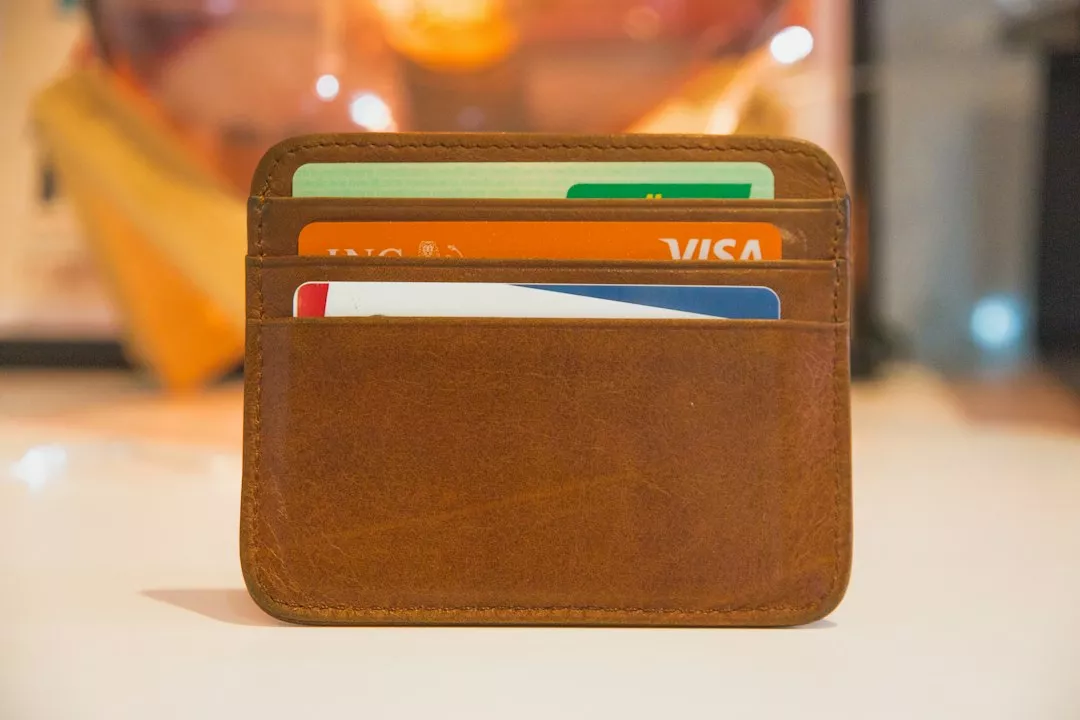
Credit Cards in Austria: Visa, Mastercard and Maestro Alternatives Explained
Advertisement
Learn how credit, debit and prepaid cards work in Austria, from Bankomatkarte and Maestro to Visa and Mastercard, and what to check before you apply.

Austria has a payment culture that surprises many newcomers. Cash remains widely used, the Bankomatkarte is the everyday default, and credit cards are often treated as a complement rather than a necessity. Understanding the different card types on offer helps you choose a product that fits your habits instead of paying for features you will never use. This guide explains how the main card categories work in Austria, how they differ, and what to verify with your bank before signing up.
The Austrian Card Landscape: Where the Bankomatkarte Fits
Most people in Austria receive a debit card when they open a current account (Girokonto). Traditionally this has been the Bankomatkarte, which many banks issue with a Maestro or a Debit Mastercard function. It is used to withdraw cash at ATMs and to pay at terminals in shops and restaurants. Because it draws directly from your account, it is the simplest way to pay and does not involve a credit line.
Over time, many issuers have been moving from the older Maestro brand toward newer debit products from Visa and Mastercard. If you are unsure which version your card is, check the printed logo on the card and ask your bank whether it works for online purchases, since this varies by issuer and product.
Credit, Debit and Prepaid: The Core Differences
Debit cards
A debit card settles transactions straight from your current account, usually within a short period. There is no interest because you are spending your own money. The trade-off is that you have less of the extra protection and flexibility that some credit products provide, and your account balance is directly exposed if the card is compromised before you react.
Credit cards
A classic credit card extends you a spending limit that is typically settled later, often through a monthly statement. In Austria you will see both charge-style cards, where the balance is collected in full on a set date, and cards with an optional instalment function that allows partial repayment. The instalment option comes with interest, so you should always read the conditions carefully and confirm the current cost with the issuer before relying on it. For a broader refresher on the mechanics, see our overview of how to choose the right credit card in Austria.
Prepaid cards
Prepaid cards work with money you load in advance. They can be useful if you want strict spending control, are buying for online use, or prefer not to link a card to your main account. Be aware that prepaid products often have their own conditions for loading, usage and inactivity, so check the provider's terms for the current details.
What Austrian Issuers Typically Offer
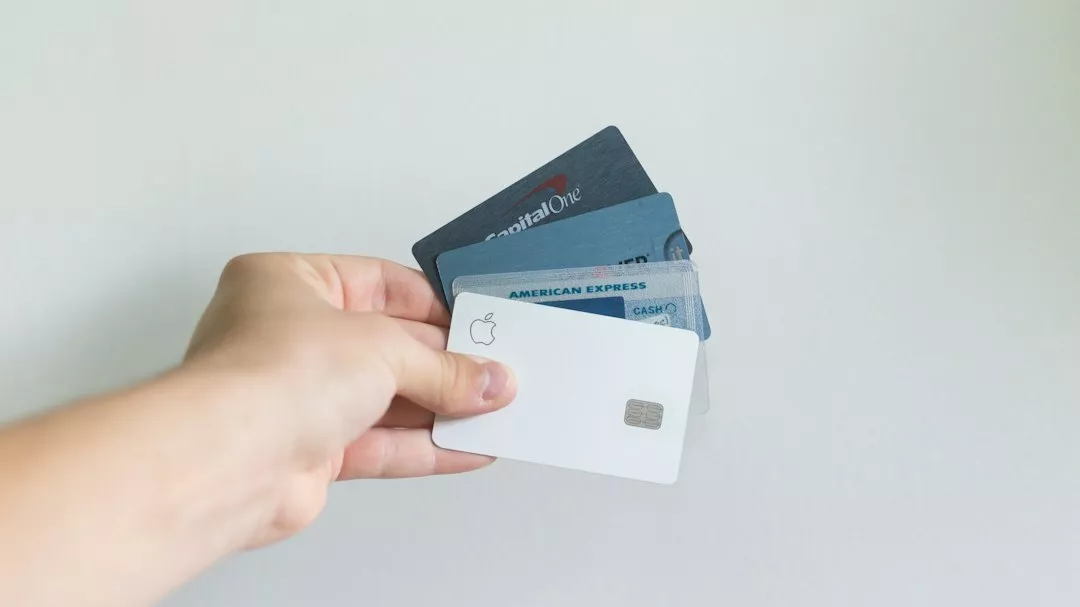
Credit cards in Austria are commonly issued through banks and card specialists. Larger banking groups such as Erste Bank, Raiffeisen and the Volksbank network offer cards connected to their current accounts, while there are also dedicated card providers and digital banks. If you already hold an account, it can be convenient to look at what your own bank offers first. You can read more about individual providers in our reviews of Erste Bank Austria and Raiffeisen Bank Austria.
Cards usually differ in several ways that matter more than the logo on the front:
- Whether an annual fee applies, and whether it can be waived under certain conditions.
- Foreign currency charges for payments outside the euro area.
- Cash withdrawal costs, which are often higher than for ordinary purchases.
- Included insurance, such as travel or purchase protection, and the exact scope of cover.
- Reward or bonus programmes, if any, and how points can be redeemed.
Because all of these terms can change, treat any figure you see in an advertisement or a third-party comparison as a starting point only. Always confirm the current conditions on the issuer's official website or in the product information sheet.
Who Might Prefer Which Card Type
Everyday shoppers
If you mostly pay in shops and restaurants within Austria, a debit card may already cover your needs. Many people find that the standard Bankomatkarte is enough for daily spending, and adding a credit card only makes sense if you have a specific reason.
Travelers and online shoppers
Hotels, car rental companies and some online merchants prefer or require a credit card, because it can be used to hold a deposit. If you travel often, a credit card may be practical. It is worth reading our guide on charge, revolving and debit card structures to understand the general models, even though the exact Austrian products differ.
People building a financial track record
Credit behavior is recorded by credit bureaus in Austria, and responsible handling of financial products can matter when you apply for loans or a mortgage later. Nothing here guarantees a particular outcome, and any application is subject to the issuer's own assessment, but paying on time and keeping balances manageable are widely regarded as sound habits.

Mobile Payments and Digital Wallets
Contactless payment is common in Austrian shops, and many cards can be added to a smartphone wallet. Whether you can add a particular card to Apple Pay, Google Pay or a bank's own app depends on your issuer and card type, so check compatibility before you apply if this matters to you. Digital wallets can improve convenience, but they do not remove the need to monitor your transactions regularly.
Security and Fraud Protection
Strong customer authentication is now standard for online payments in the European Union, which usually means confirming a purchase through your banking app or another second factor. Keep your app and device up to date, never share confirmation codes, and be cautious about unexpected calls or messages claiming to be from your bank. If you notice an unfamiliar transaction, contact your bank immediately and use the official blocking number printed on your card or listed on the bank's website. Liability rules and reporting deadlines exist, so ask your issuer for the current terms rather than assuming they are identical across products.
Questions to Ask Before You Apply
Before choosing a card, it helps to go through a short checklist:
- Do I actually need a credit card, or does my current debit card cover my situation?
- Is the card a charge card or does it include an instalment option, and what does that option cost?
- What are the current conditions for fees, foreign payments and cash withdrawals?
- Does the card work with my preferred mobile wallet?
- What insurance or protection is included, and what are its limits and exclusions?
- What are the eligibility requirements, and what happens if my application is declined?
Approval is always the decision of the issuer, based on its own criteria and your individual circumstances. A comparison site or a recommendation cannot promise acceptance, and every credit product carries conditions and risks, including the risk of taking on more debt than you can comfortably repay.
Managing Your Cards Responsibly
Whichever card you choose, the habits matter more than the product. Set up reminders or automatic settlement so that statements are paid on time, review your transactions regularly, and avoid treating an available limit as extra income. If you use savings alongside cards, it can help to understand how the allowances work for your investment income, which we cover in our guide to tax-free savings allowances for a neighboring system. Always rely on Austrian sources for rules that apply to you.
Final Thoughts
Credit cards in Austria sit alongside a strong debit and cash culture, so the right choice depends on how you spend, whether you travel, and how comfortable you are managing a credit line. Compare the card types, read the official product information, and confirm current costs and conditions directly with the provider. Taking the time to do this before you apply is the most reliable way to avoid surprises later.

Rachel Porter
Personal finance writer specializing in European credit markets, fintech, and cross-border banking solutions.