Sparkasse Germany Review: Accounts, Savings, and Digital Banking
Advertisement
Sparkasse Germany review: accounts, fees, savings products, and digital banking. Find out if Germany's largest retail bank is right for you.
Sparkasse Germany: The Nation's Largest Retail Banking Network
When it comes to everyday banking in Germany, few names are as recognizable as Sparkasse. With over 370 individual savings banks operating under the Sparkasse brand and a nationwide network of thousands of branches and ATMs, Sparkasse is the backbone of retail banking for millions of German households. Whether you're a student opening your first account, a family managing a mortgage, or a retiree looking for safe savings products, Sparkasse offers a wide range of financial services tailored to everyday needs.
This review takes a close look at what Sparkasse has to offer — from account types and fees to digital banking capabilities and savings options — so you can decide whether it's the right bank for your situation.
How Sparkasse Works: A Decentralized Banking Model
Unlike private banks such as Deutsche Bank or Commerzbank, Sparkasse operates as a network of publicly owned savings banks. Each Sparkasse is legally independent and tied to a specific municipality or region in Germany. This means the Sparkasse in Munich (Stadtsparkasse München) operates separately from the Sparkasse in Hamburg, although all institutions share the same brand identity, product standards, and digital infrastructure.
This regional structure has practical implications for customers. Services, fees, and even interest rates can vary slightly between institutions. Always check with your local Sparkasse for exact terms, as this review covers the general standards that apply across most of the network.
Sparkasse is a member of the Sparkassen-Finanzgruppe, which also includes Landesbanken and other financial service providers, making it one of the largest financial groups in Germany by total assets.
Account Types Available at Sparkasse
Girokonto (Current Account)
The standard current account at Sparkasse — the Girokonto — is the most widely used product in the network. It comes with a debit card (Maestro or Girocard), online banking access, and the ability to set up direct debits and standing orders. Monthly fees typically range from €3 to €8 depending on your local Sparkasse and the account tier you choose.
Some regional Sparkassen offer free current accounts for students and young people under 28, making it a popular choice for those entering the workforce. In most cases, a minimum monthly income credit (Gehaltseingang) can also waive monthly fees — a model similar to what ING-DiBa offers with its free checking account.
Jugendkonto (Youth Account)
Sparkasse actively courts younger customers with its youth account offerings. These are typically fee-free and come with a Girocard, online banking, and access to the S-ID-Check app for secure online payments. They're designed for customers aged 7 to 17 and can often be opened jointly with a parent or guardian.
Business Accounts
For freelancers and small business owners, Sparkasse provides business current accounts with additional services like invoicing tools and merchant payment terminals. Fees are generally higher than personal accounts, often starting at €10 to €15 per month, but the integrated advisory services can add real value for self-employed individuals.
Savings Products: Where Sparkasse Stands Out
True to its name — Sparkasse translates literally to "savings fund" — savings products are at the heart of what this institution does best.
Sparkonto (Savings Account)
The classic savings account remains available at all Sparkassen. While interest rates on these accounts remain modest and fluctuate with European Central Bank policy, they are fully secured by the German deposit protection system up to €100,000 per customer. This makes them an extremely safe place to park emergency funds.
Festgeld (Fixed-Term Deposit)
For customers willing to lock away money for a set period — typically 3 months to 5 years — Sparkasse offers Festgeld accounts that provide higher interest rates than standard savings accounts. Rates vary by institution and term length, so it's worth comparing with online alternatives if yield is your primary concern.
Bausparen (Home Savings Plans)
Through its partnership with LBS (Landesbausparkassen), Sparkasse offers Bausparverträge — home savings contracts that combine a savings phase with a guaranteed low-interest loan phase. This is a uniquely German product ideal for those planning to purchase property within 5 to 10 years. If you're considering homeownership and want to understand your investment options more broadly, it may also be worth reading about how Volksbank approaches investment and savings products for retail customers.
Digital Banking at Sparkasse
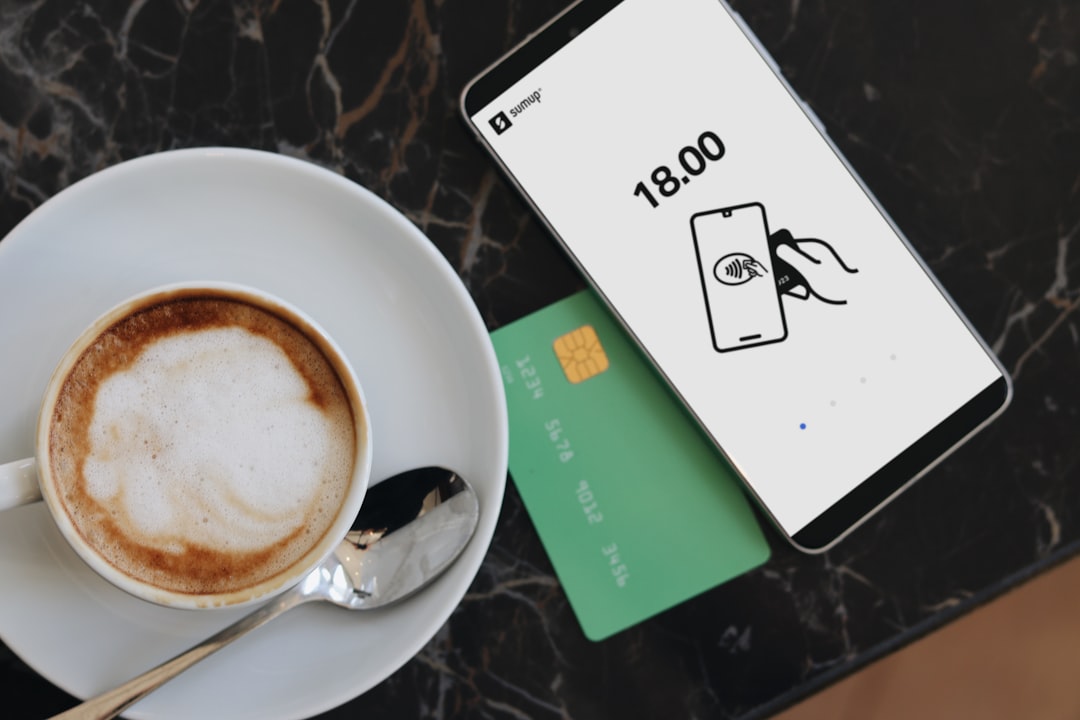
Sparkasse has invested significantly in its digital infrastructure in recent years. The Sparkasse App is one of the most downloaded banking apps in Germany and offers a comprehensive feature set including account overview, transfers, mobile payments via Apple Pay and Google Pay, and real-time push notifications for account activity.
Online Banking Portal
The desktop online banking portal (accessed via sparkasse.de) allows customers to manage their accounts, set up standing orders, view account statements, and use the built-in financial planning tools. The interface is clean and relatively intuitive, though it can feel slightly more conservative in design compared to neobanks like N26.
S-ID-Check and Security
Sparkasse uses the S-ID-Check app for two-factor authentication when confirming transactions. This replaces the older TAN-generator approach and is now required for most online banking operations under EU PSD2 regulations. Security is taken seriously, and the system meets the highest standards required by BaFin, Germany's financial supervisory authority.
For a more cutting-edge digital-first experience, some customers may prefer a challenger bank. You can read our N26 Germany review or our DKB Bank Germany review to compare how Sparkasse stacks up against digital competitors.
Fees and Charges
Sparkasse is not a free banking option for most adults, and this is one of the most common criticisms leveled at the network. Monthly account maintenance fees, card replacement fees, and charges for paper statements can add up over time. Here's a general breakdown:
- Monthly current account fee: €3 – €8 (varies by institution and account type)
- Girocard (debit card): Usually included, but some Sparkassen charge €10 – €15 per year
- Credit card (Sparkasse Kreditkarte): Annual fees typically range from €0 to €60 depending on the card tier
- ATM withdrawals: Free at all Sparkasse ATMs; fees apply at other banks' machines
- Overdraft (Dispo) interest: Typically 8% – 13% p.a., which is on the higher end — watch this closely
One major advantage of Sparkasse is ATM access. With thousands of machines across Germany under the Sparkassen-Verbund, you'll rarely struggle to find a fee-free cash machine.
Customer Service and Branch Network
Where Sparkasse genuinely excels over digital-only banks is in its human advisory services. Each Sparkasse employs trained financial advisors who can help with everything from opening accounts to arranging mortgages, insurance, and retirement planning. In-branch appointments are generally easy to arrange, and many institutions also offer video consultations.
This is especially valuable for complex financial decisions. If you're navigating a mortgage, for example, having a local advisor who understands the regional real estate market is a meaningful advantage over the self-service model of online banks.
Who Is Sparkasse Best For?
Sparkasse is an excellent fit for:
- Families and established households who value branch access and comprehensive in-person advisory services
- Students and young adults who qualify for free youth accounts and want a trusted institution with wide ATM coverage
- Those planning to buy property in Germany, particularly those interested in Bausparen products
- Customers who prefer the comfort of a regional institution with local economic ties and community reinvestment
Sparkasse is less ideal for those seeking zero-fee banking, the highest possible savings rates, or a sleek, app-first experience. For those priorities, a digital bank may be a better fit.
Final Verdict
Sparkasse remains the bedrock of retail banking in Germany for good reason. Its unmatched branch network, trusted savings products, broad ATM access, and comprehensive financial advisory services make it a solid choice for the vast majority of German residents. Yes, fees exist — and they're worth scrutinizing — but the overall value proposition, particularly for those who appreciate face-to-face banking and long-term savings planning, is genuinely strong.
If you're new to Germany, Sparkasse is often one of the easiest banks to open an account with, and it's widely accepted by employers, landlords, and government agencies. For most people, it's a reliable, trustworthy foundation for your financial life in Germany.

Jan Kowalski
Financial analyst based in Warsaw, focused on Central European banking, credit cards, and investment products.